Value time realistically
Record how long a normal push-mowing session takes from setup through cleanup and multiply by the actual seasonal frequency. Then estimate robot oversight, lawn pickup, blade service and exceptions. Automation reduces active cutting labor, but the saved time is smaller if the lawn still requires extensive trimming or frequent rescue.
Consider control over timing and finish
A person can choose a pattern, avoid a damp patch and raise the deck immediately. A robot follows its configured schedule and capabilities. Frequent randomized or planned passes can maintain an even height, though striping and close edge work depend on design and yard preparation.
Compare recovery ability
Vacation, heavy rain or a schedule error may leave grass taller than the robot should cut in one pass. A push mower can restore height deliberately before autonomous maintenance resumes. Owners without backup equipment should decide whether they can borrow, rent or hire help after an interruption.
Inspect the boundaries
Open streets, ponds, play areas, temporary furniture and narrow gates require careful automation planning. A push mower uses continuous human supervision, while a robot relies on its configured limits and safety systems. Stable, clearly separated turf generally makes automation easier.
Review storage and maintenance
A push mower occupies more floor space and may require engine or battery maintenance depending on type. A robot adds a charging station, electronic components and replaceable cutting parts. Compare access to authorized service as well as the tasks an owner can perform under each manual.
For a product-led next step, compare Robotic Lawn Mowers for Hills or use the yard-fit finder.
Products to evaluate against this advice
As an Amazon Associate, we may earn from qualifying purchases.
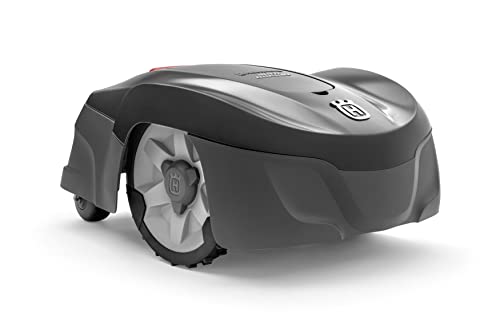
Husqvarna Automower 115H 4G Robotic Lawn Mower for 0.4 Acre
The Automower 115H 4G is a useful benchmark for owners who value an established boundary-wire system over antenna placement or camera mapping. Its high-cut orientation can suit common residential turf, but the cable installation and current listing availability should be weighed before purchase.

LawnMaster OcuMow VBRM701YAMIDR Auto-Charging Robot Lawn Mower
The VBRM701YAMIDR adds a charging-station ownership pattern to LawnMaster’s camera-guided lineup. That makes it materially different from the portable entry OcuMow: it is intended to stay on the property and maintain a modest lawn through repeat visits.

LawnMaster OcuMow VBRM601YCM MAX Wire-Free Robot Lawn Mower
The OcuMow MAX extends LawnMaster’s optical concept into a higher square-foot band. It is a stronger candidate than the smaller portable model when the lawn is still simple but takes too long for repeated short sessions; complex islands and indistinct edges remain the important caveats.
Frequently asked questions
Is a robot mower worthwhile for a very small lawn?
It can be when frequent mowing is burdensome, but installation, remaining trimming and purchase cost may outweigh the limited time saved.
Can a push mower cut lower than a robot mower?
Cut-height ranges vary by model. Compare the documented range with the grass species and seasonal plan instead of assuming by mower type.
Should I keep my push mower after buying a robot?
Keeping a backup can help with recovery cuts, unmapped areas and downtime if storage and maintenance are manageable.
Bottom line
Use the answer above as a decision framework, then verify the exact product manual, current listing and conditions in your own lawn. Model generations, software features and included accessories can change.